Titanium: Lightweight Meets Strength
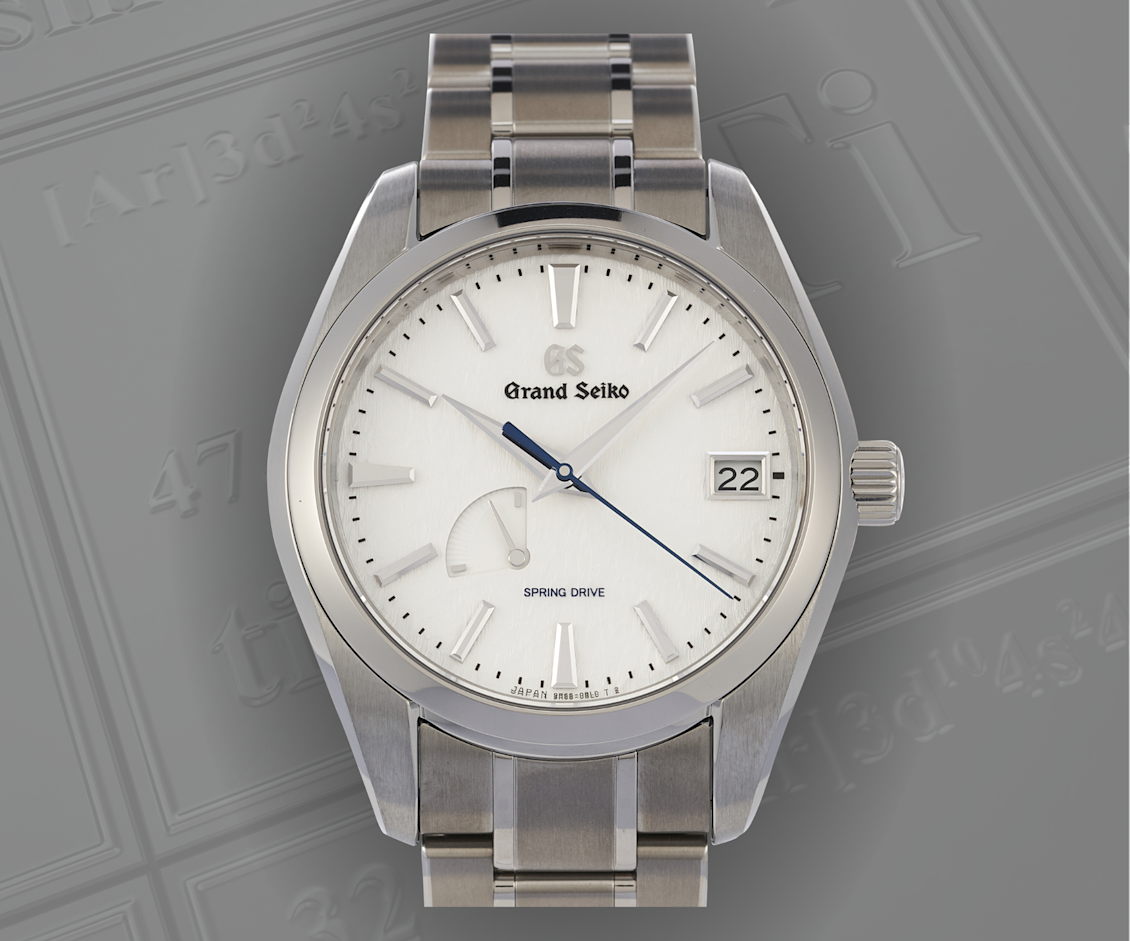
A titanium watch is especially sought after in the sporty high-end segment. Visually, titanium resembles stainless steel, but appears more matte and technical. Its key advantage lies in its weight: with around 42% lower density than steel, titanium offers exceptional comfort even in large cases.
In addition, titanium is extremely corrosion-resistant and highly durable against external influences. This makes it particularly well-suited for diving watches and outdoor models, where the material truly shines. However, it is considered challenging to machine, and scratches are harder to polish out than with steel.
Since the 1980s, titanium has become firmly established in the luxury segment and is now indispensable in modern sports watch collections.
Ceramic: Scratch Resistance at the Highest Level
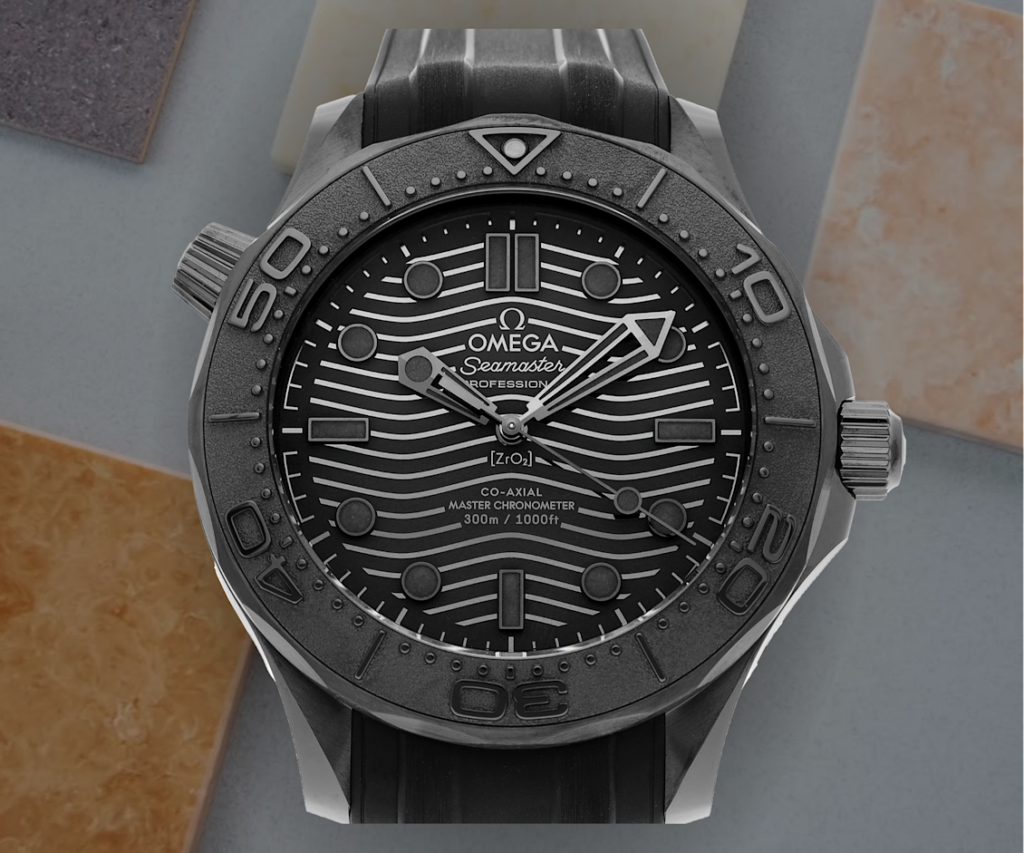
Ceramic watches stand for outstanding surface hardness. Unlike everyday ceramics, this is a high-performance material that is densified under extreme temperatures. The result is an especially hard, lightweight, and permanently color-stable material.
Ceramic is almost completely resistant to scratches and dents, a major advantage in everyday wear. It also allows for a wide range of designs, from deep black to bright white and even complex color variations. The surface can be matte or polished and provides a distinctively smooth feel on the wrist.
One drawback: ceramic can crack under a very strong impact. Due to its complex manufacturing process, the material is mainly found in the higher price segment of luxury watches.
Carbon: Aerospace Performance
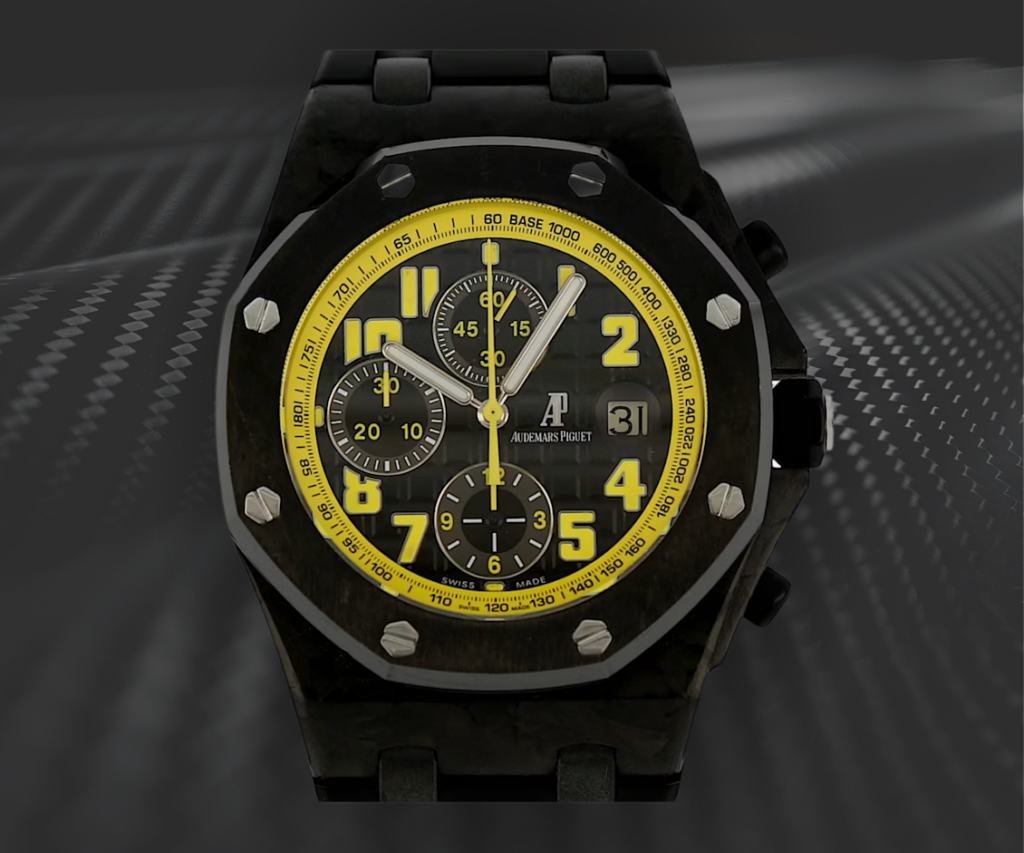
Few materials represent high-tech as strongly as carbon. The fine carbon fibers, around eight times thinner than a human hair, are processed into extremely strong composite structures. The result is a striking, textile-like surface with unmistakable character.
A carbon watch is ultra-lightweight, even lighter than titanium, while remaining highly resistant. The material evokes associations with speed, motorsport, and technical performance.
In watchmaking, carbon is mainly used for cases and bezels. The elaborate production process makes these models particularly exclusive and especially desirable among collectors who appreciate innovative materials.
Sapphire Crystal: Clarity and Durability
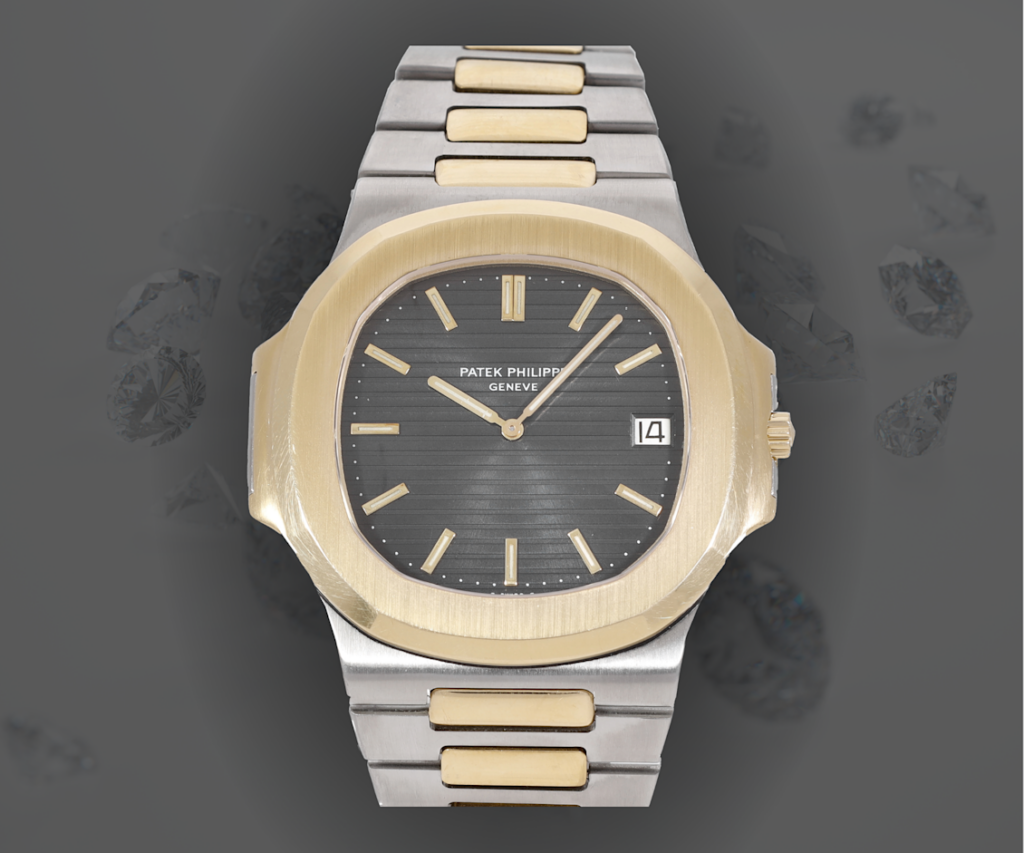
Sapphire crystal is now standard in high-end watches. It is synthetically produced corundum with exceptional hardness, only diamonds are harder.
The benefits are obvious: excellent scratch resistance, mechanical stability, and long-lasting transparency. Sapphire crystal maintains its visual quality over decades and provides a clear view of the dial or movement, especially in skeleton watches or models with a display caseback.
This makes sapphire crystal a key element of modern luxury watches, where aesthetics and longevity are equally important.
Silicon: Precision on the Inside
Not all innovations are visible. Silicon in the movement has become a key material in recent years. It is non-magnetic, extremely lightweight, corrosion-resistant, and highly wear-resistant.
Especially in balance springs and escapement systems, silicon significantly improves the accuracy of mechanical watches. Its anti-magnetic properties protect against everyday interference, an increasingly important factor in a digitalized environment.
In addition, its smooth surfaces reduce friction and can partially lower the need for lubrication, potentially extending service intervals.
Material Choice as an Expression of Modern Watchmaking
Today’s watch materials reflect the technological progress of the industry. Titanium stands for lightweight construction, ceramic for surface hardness, carbon for performance, sapphire crystal for transparency, and silicon for precision.
Modern luxury watches are therefore far more than timekeepers, they are products of applied materials research and an expression of contemporary engineering on the wrist.